縮尺模型「日本の手織機」コレクション
“Japanese Handloom Scale Model Collection”
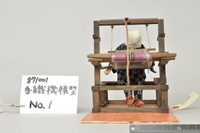
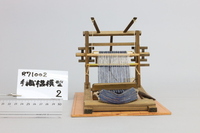
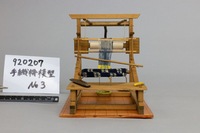
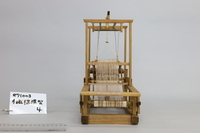
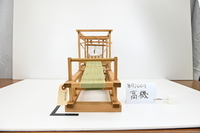
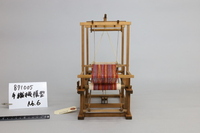
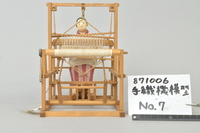
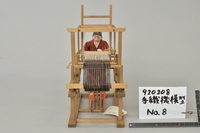
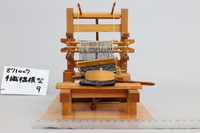
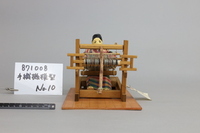
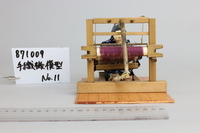
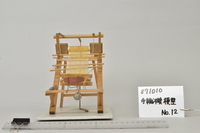
東京都立繊維工業試験場に勤務していた重松成二氏(1926–2002)は、日本各地の伝統的な手織機の調査・研究に生涯を捧げ、その成果として多数の縮尺模型を制作しました。1982年から1989年にかけて30回以上の調査旅行を行い、全国50か所以上の手織機を訪ね、その地域ごとの特徴や時代的変遷を克明に記録しました。模型制作は、図面や写真では表現しきれない「手仕事の温もり」を伝えるための手段として始められたものです。1984年に第1回手織機模型展を開催して以来、第4回(1999年)まで継続的に展示を行い、日本の織文化の多様性を紹介してきました。
これらの模型は、腰機・高機などの基本的な形式に加え、江戸時代の文献『止戈樞要』を参考に復元された織機や、豊田佐吉・臥雲辰致らによる明治期の特許織機なども含まれています。特に、現代では失われつつある地域独自の織技術を再現した点で、文化史的にも技術史的にも貴重な資料群といえます。重松氏の手織機模型は、現在も日本の伝統工芸研究や人間工学の教育において重要な役割を果たしています。
The Japanese Handloom Scale Model Collection was created by Mr. Seiji Shigematsu (1926–2002), who worked at the Tokyo Metropolitan Textile Research Institute. As part of his ergonomic studies on manual work, he made extensive fieldwork on traditional handlooms across Japan between 1982 and 1989, visiting more than 50 sites nationwide. Believing that “drawings and photographs cannot capture the warmth of human craftsmanship,” he began constructing detailed scale models to record the authentic forms of traditional looms.
From the first Handloom Model Exhibition in 1984 to the fourth in 1999, Shigematsu’s works have presented the regional and historical diversity of Japanese weaving culture. The collection includes basic types such as waist looms and frame looms, as well as reconstructed looms based on the Edo-period document (Shikasuuyou, ca. 1820) and patented looms from the Meiji era by inventors such as Sakichi Toyoda and Tatsuchi Gaun. These models, precisely replicating techniques of original looms that are now difficult to observe because the original materials are gradually disappearing , remain invaluable for the study of textile culture, technology history, and ergonomics in Japan.